An aircraft suited to every stage of your training.
From your first solo flight to crew work on the 737, you progress on aircraft and simulators chosen to build, step by step, the skills expected of a future airline pilot.
24 aircraft + 5 simulators
Three aircraft types and two simulator types, each with a specific role: learning to fly, working on procedures, flying multi-engine, mastering unusual situations and discovering crew work. The resources are used according to the goal of the session, not in a fixed order.
The aircraft fleet
- Single-engine15 aircraft
Cessna 172S G1000
The most common aircraft in the fleet: basic flying, navigation and solo flights.
See details — Cessna 172S G1000 - Multi-engine8 aircraft
Diamond DA42 G1000
The fleet's twin-engine: instrument flight, radio navigation and multi-engine ratings.
See details — Diamond DA42 G1000 - Aerobatics1 aircraft
Mudry Cap 10
The aircraft dedicated to advanced safety: recognising and recovering from unusual attitudes.
See details — Mudry Cap 10
The simulators
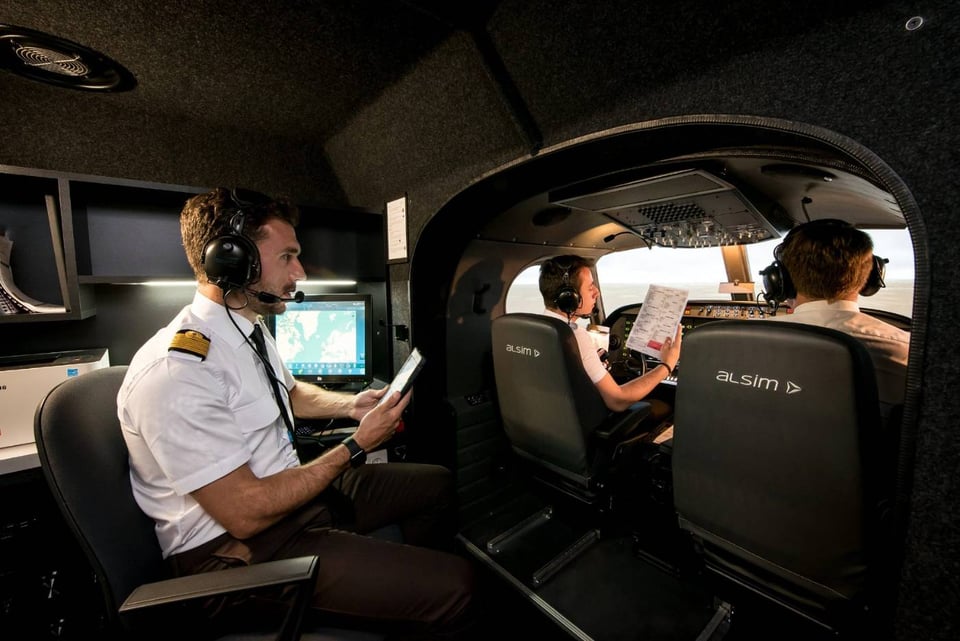
ALSIM AL250
FNPT II (3 simulators)
The tool for procedures and instrument flight, in single- or multi-engine configuration.
See details — ALSIM AL250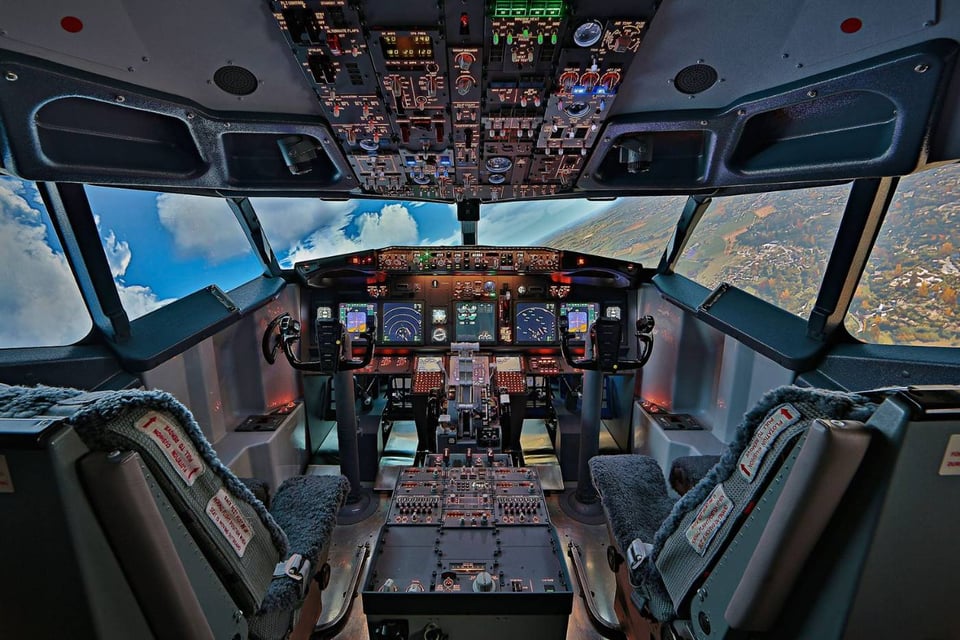
BOEING 737
FNPT II - MCC (2 simulators)
The airliner cockpit: crew work and multi-pilot procedures in APS MCC.
See details — BOEING 737
The fleet composition may change according to operational and training needs.
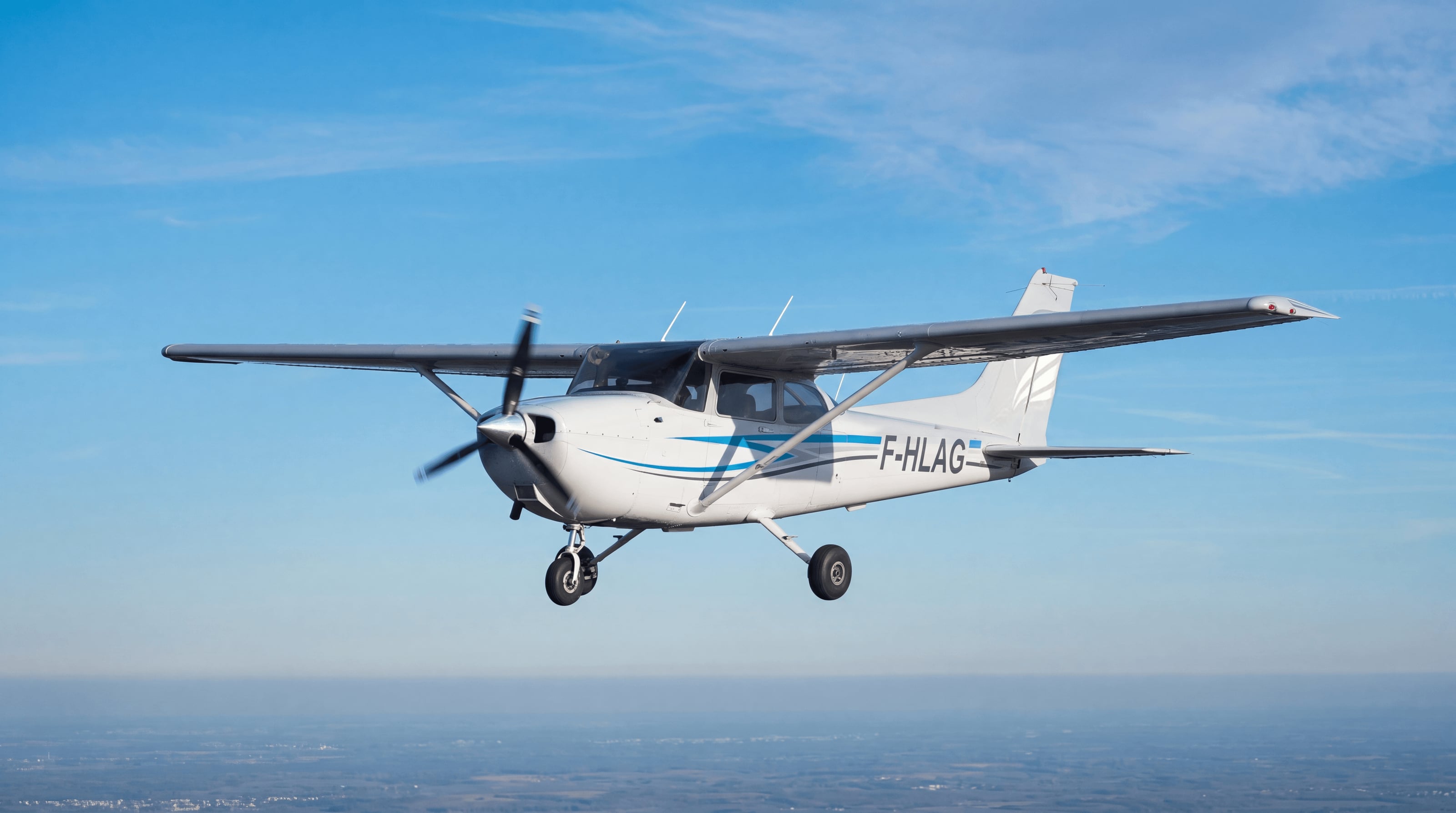
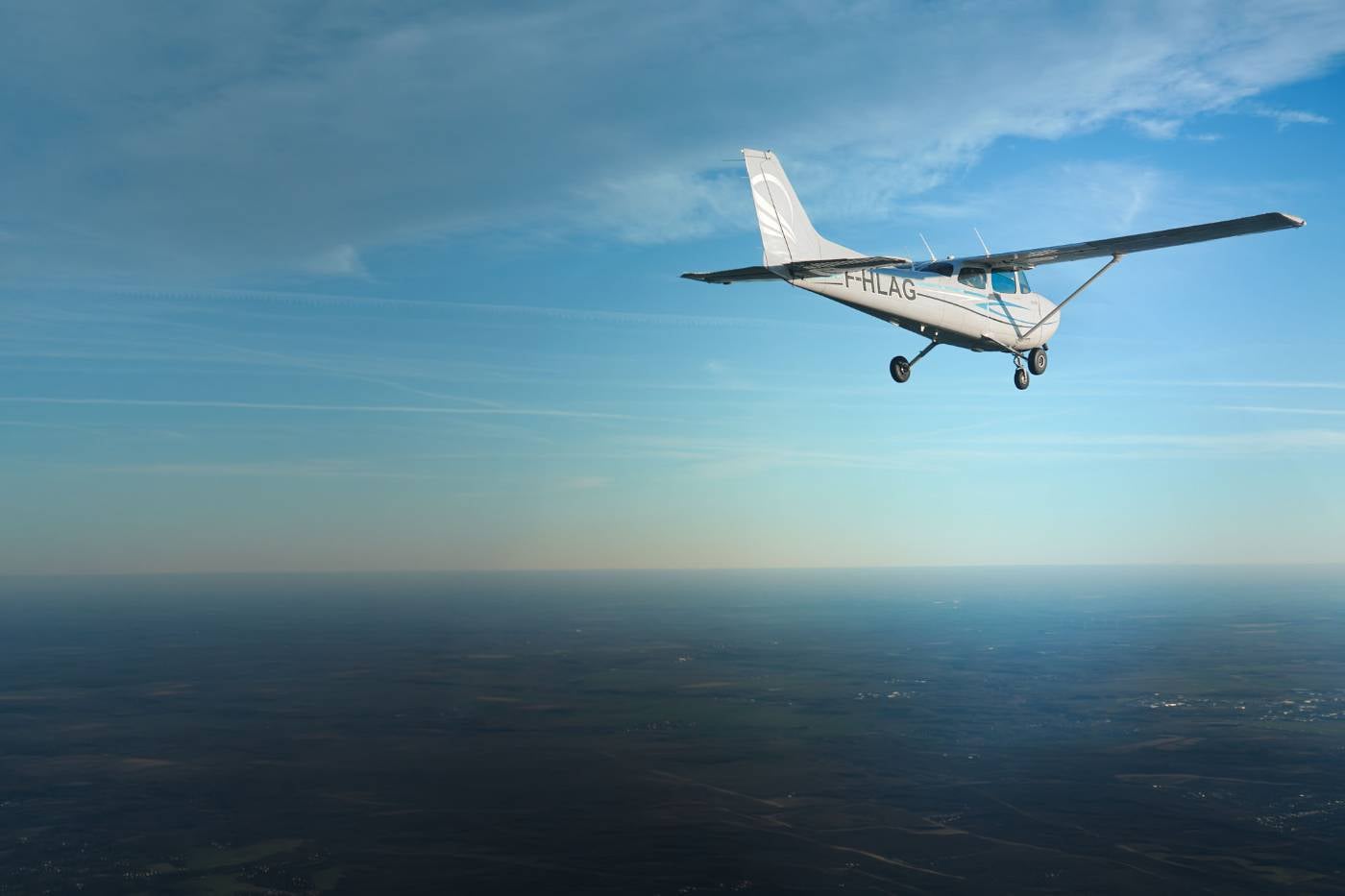
Cessna 172S Skyhawk
The aircraft of flying fundamentals.- People on board4
- Avionics

- Engine power180 hp
- Cruise speed124 kts
- Take-off distance320 m
- Range680 Nm
- Maximum altitude13 000 ft
- Landing distance440 m
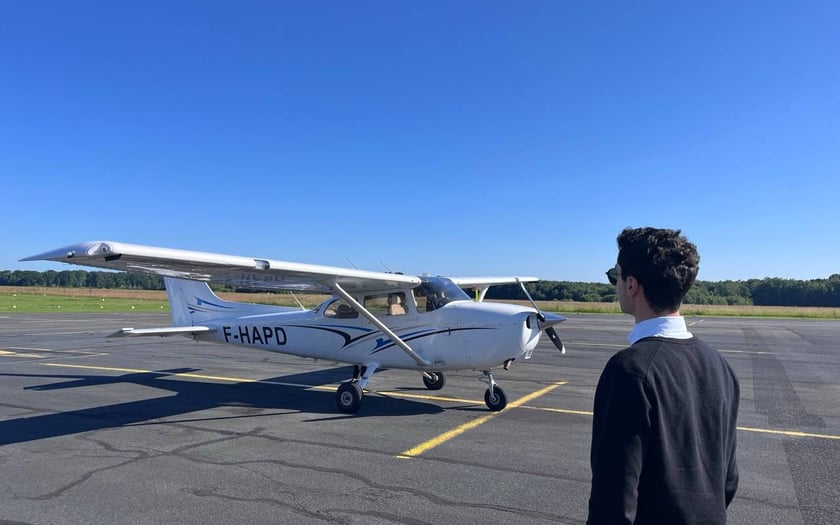
The single-engine on which the basics are built.
Stable, versatile and designed for learning, the Cessna 172S is the most common aircraft in the training fleet. It is where basic flying, navigation and decision-making are built.
It serves for the first feel of flying as well as flight preparation, navigation, night flight and solo flights.
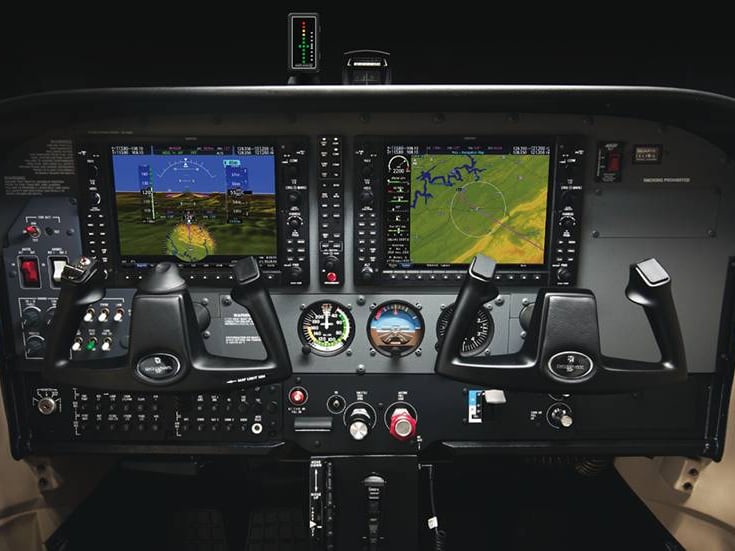
- Garmin G1000
- 4 seats
- Single-engine
What you learn
- Flight preparation and handling
- Basic flying
- Take-offs and landings
- Navigation
- Night flight
- First solo flights
- CPL preparation
Garmin G1000 cockpit
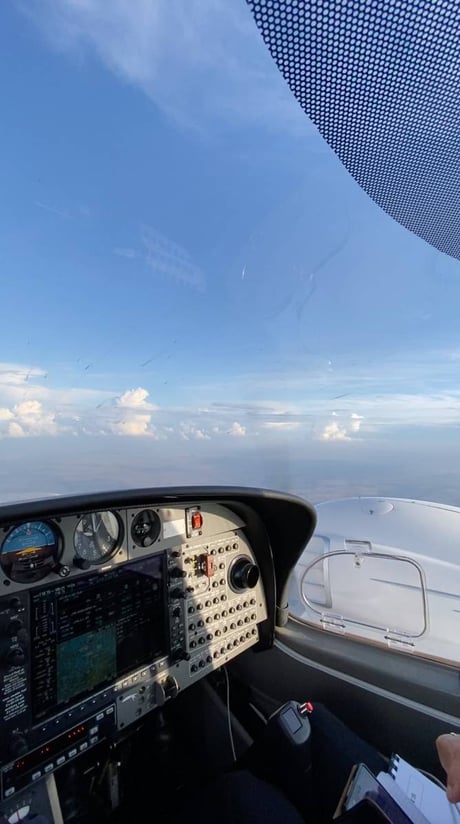
Learn from the first hours to read, prioritise and interpret the information of a modern glass cockpit.
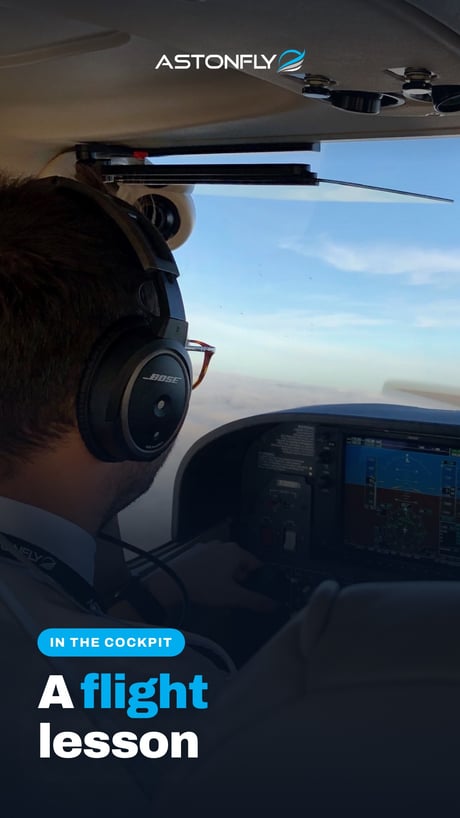
Paired training
Two students prepare the session with their instructor: while one flies, the other observes and analyses from the back seat.
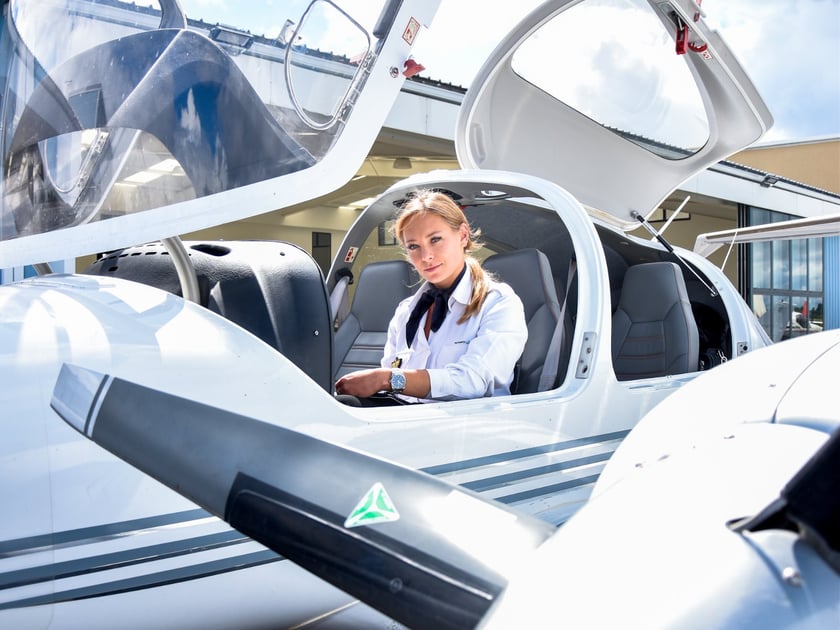
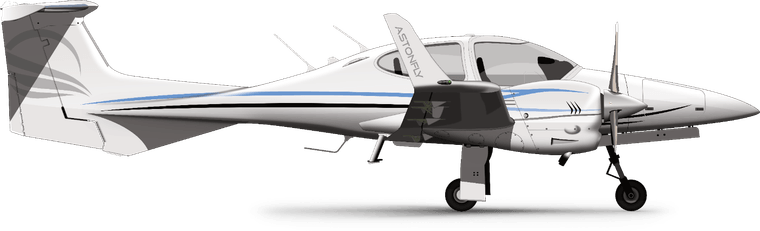
Diamond DA42 Twin Star
Two engines, instrument flight and the precision of a more demanding cockpit.- People on board4
- Avionics
- Engine power2 × 168 hp
- Cruise speed150 kts
- Take-off distance745 m
- Range800 Nm
- Maximum altitude18 000 ft
- Landing distance735 m
External content disabled
This content comes from an external service and is only loaded after your consent to third-party content.
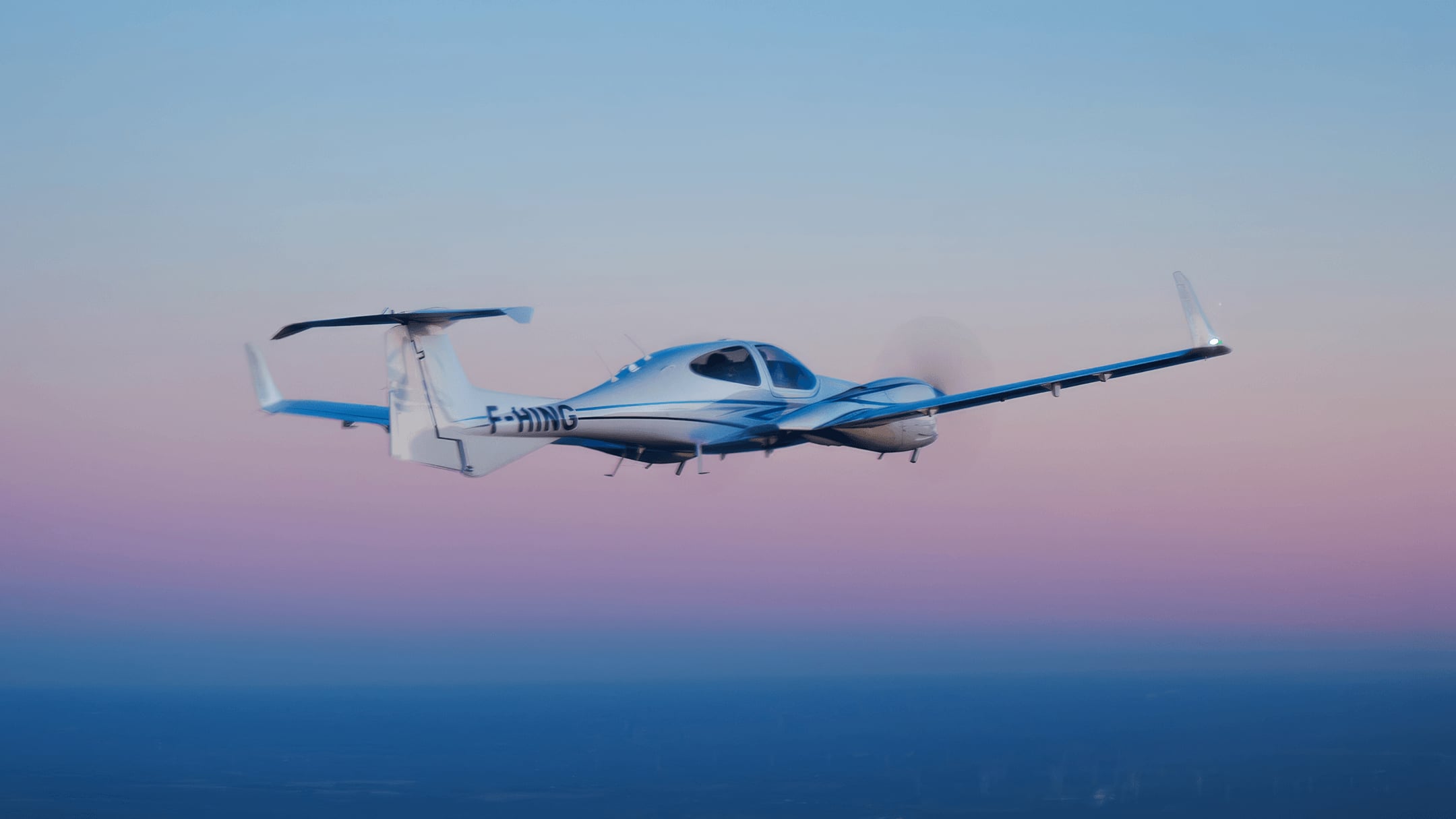
The reference twin-engine for pilot training
The Diamond DA42 is the fleet's twin-engine aircraft. It gives access to instrument flight, radio navigation and the skills required for multi-engine ratings.
Two engines, more parameters to manage and performance to anticipate: it is the aircraft of the most technical training sessions.
- Garmin G1000
- Twin-engine
- 4 seats
What you learn
- Multi-engine flying
- Performance management
- Instrument flight
- Radio navigation
- Failure management
- Preparation for MEP and IR/ME ratings
- Decision-making in a more complex environment
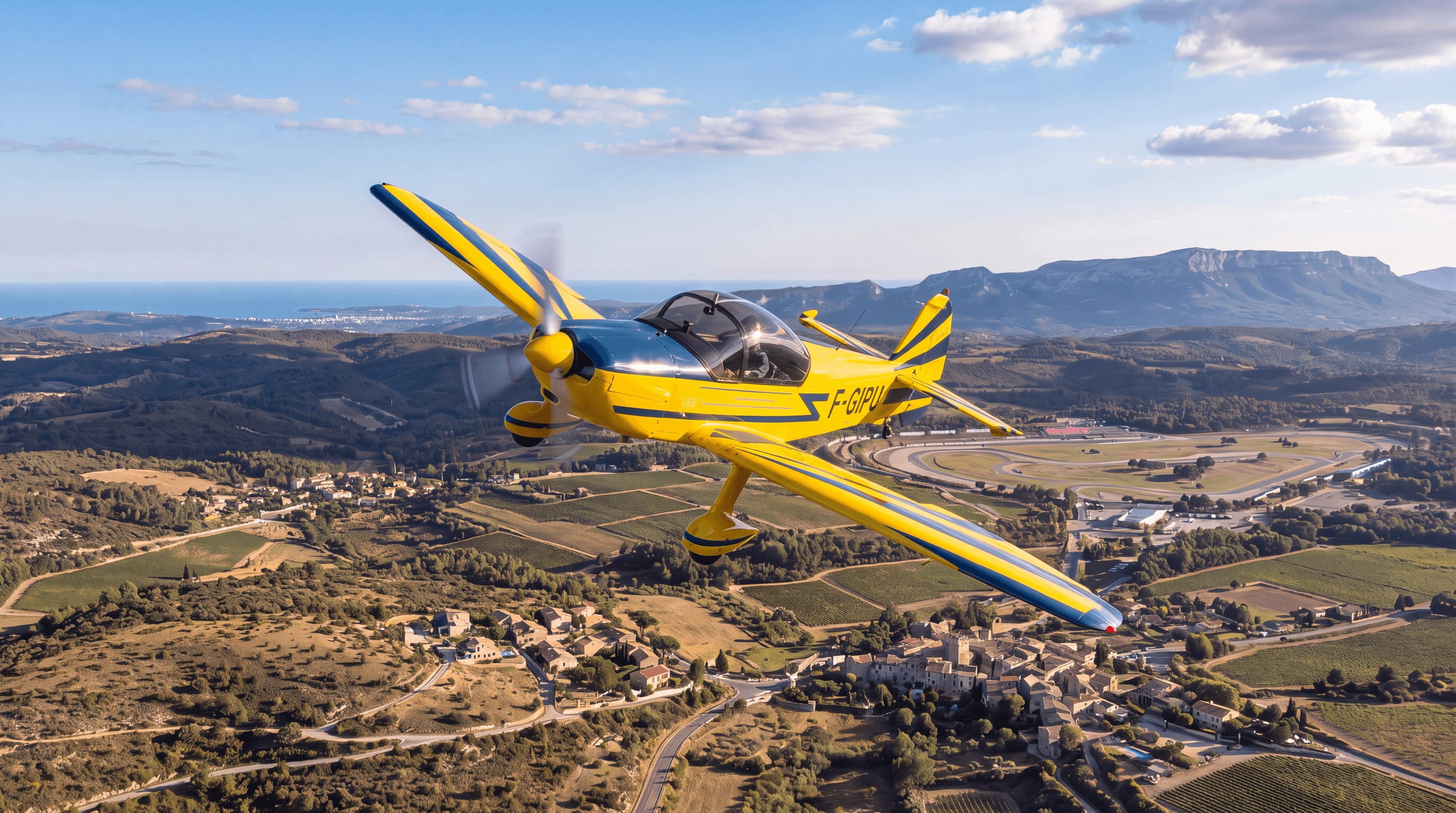

Mudry Cap 10
The aircraft dedicated to unusual situations.- People on board2
- Engine power180 hp
- Cruise speed135 kts
- Take-off distance320 m
- Range650 Nm
- Maximum altitude16 000 ft
- Landing distance360 m
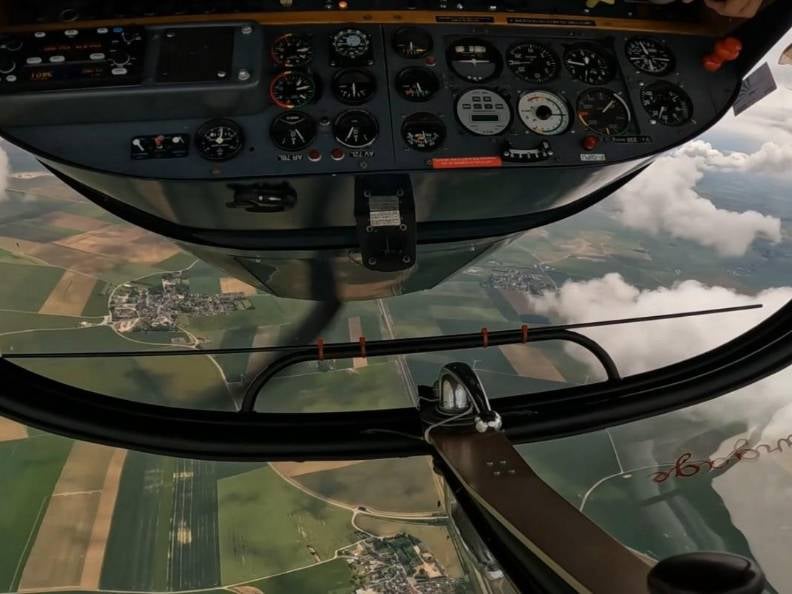
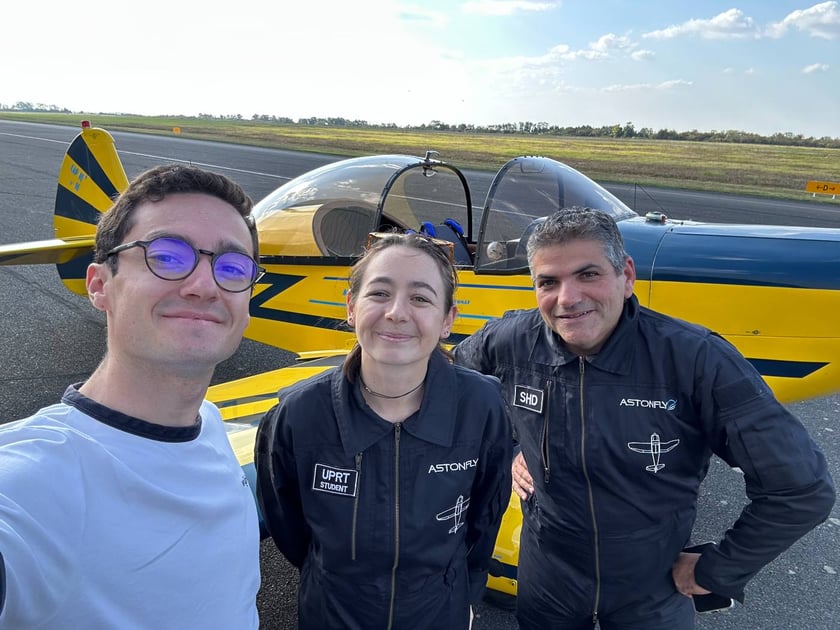
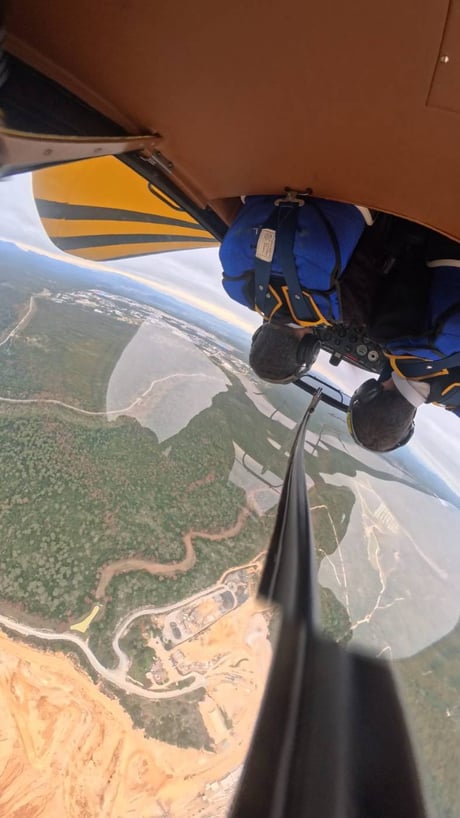
Learning to keep control in unusual situations.
The Mudry Cap 10 is the aircraft dedicated to UPRT training. Its airframe allows attitudes the other fleet aircraft don't: students can feel them, recognise them, prevent them and recover control methodically.
- 2 seats
- UPRT
What you work on
- Recognising unusual situations
- Loss-of-control prevention
- Recovery
- Stress management
- Precise handling
- Fast decision-making
The aim is not to train for aerobatics, but to build essential safety reflexes.
FNPT II simulator
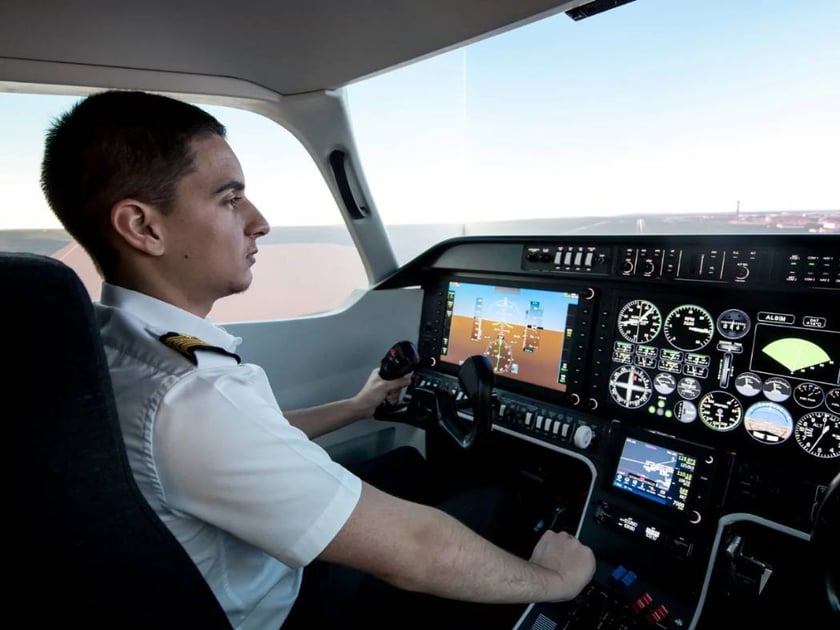
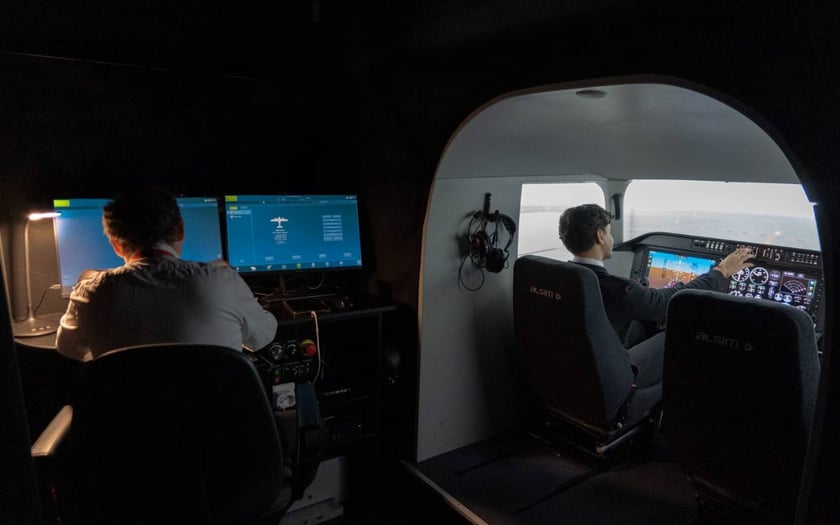
ALSIM AL250
The environment that lets you repeat each procedure until you master it.
The FNPT II simulators are used for procedures, navigation, instrument flight and managing complex situations, in both single-engine and multi-engine configurations.
Their value is repetition: a sequence can be replayed, analysed with the instructor and repeated until the method becomes a reflex.
- Single-engine configuration
- Multi-engine configuration
What you can train
- Normal procedures
- Radio navigation
- Instrument flight
- Flight preparation
- Coordination and anticipation
- Failure management
- Repeating specific situations
In the simulator, you take the time to understand before making it automatic.
FNPT II - MCC simulator
BOEING 737
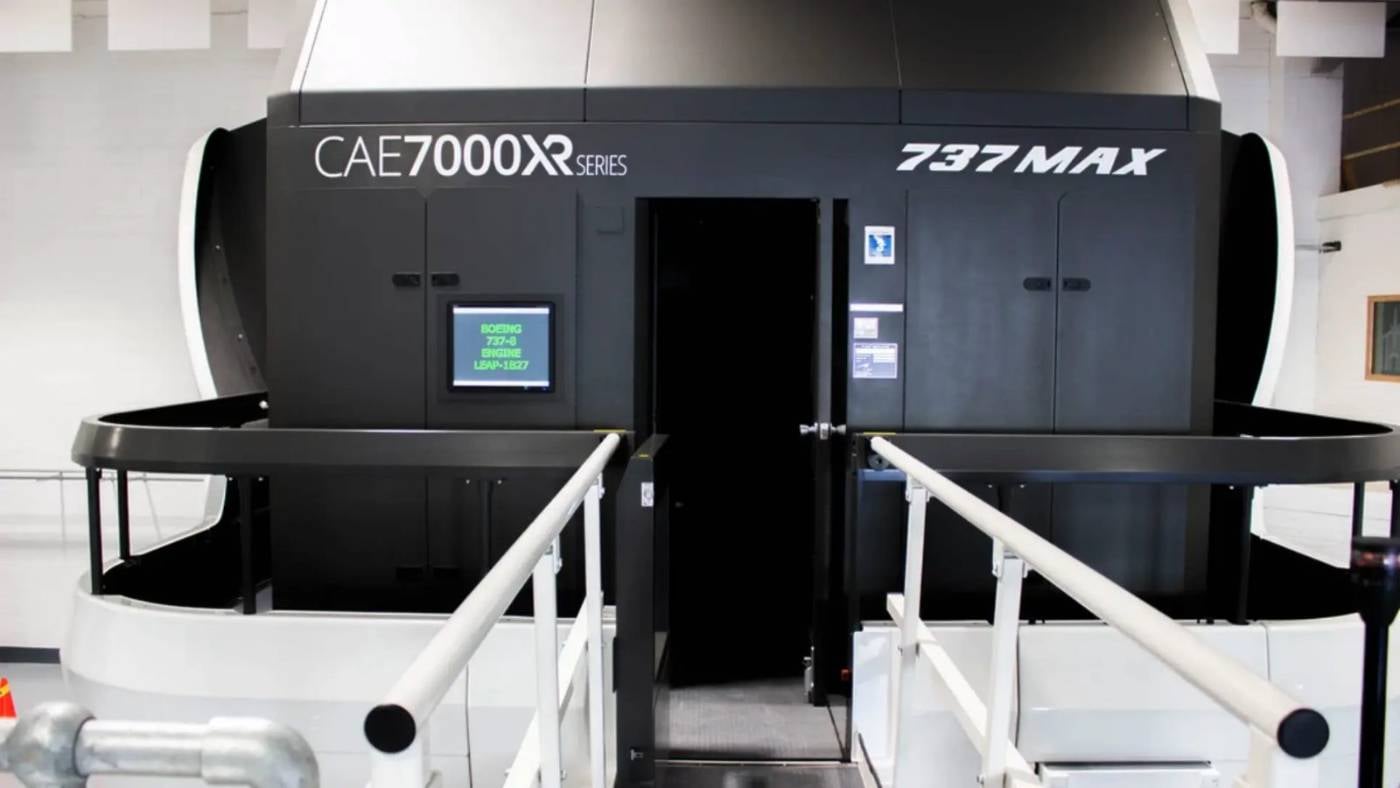
The airliner cockpit and crew work.
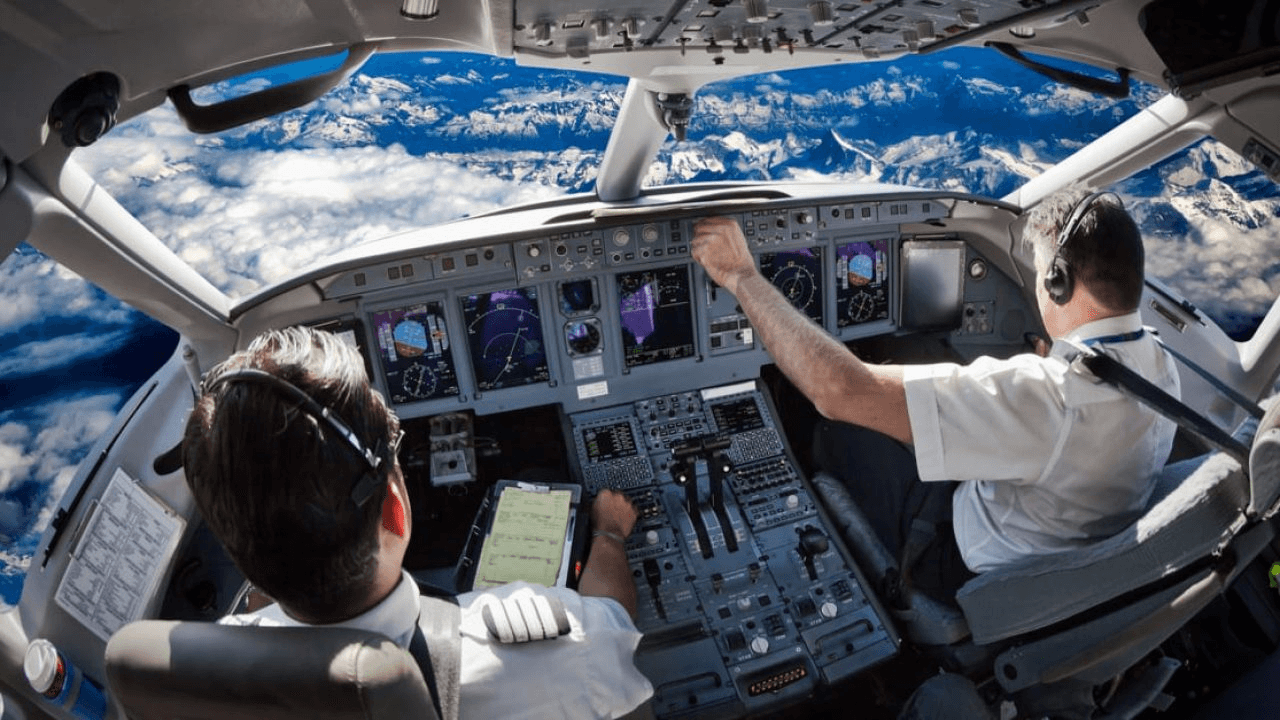
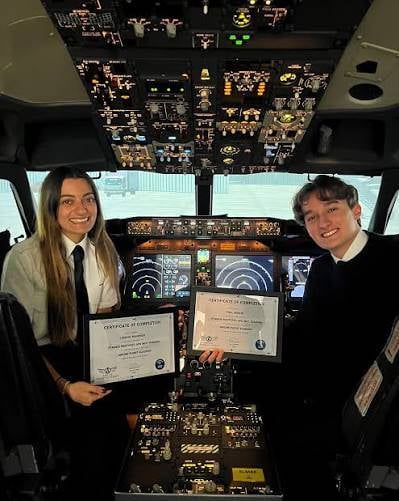
During the APS MCC, students discover how an airliner cockpit works, how roles are shared and the methods of crew work. This phase links individual training with the operational environment of an airline.
It introduces a new logic: coordinating, communicating, standardising actions and sharing decisions.
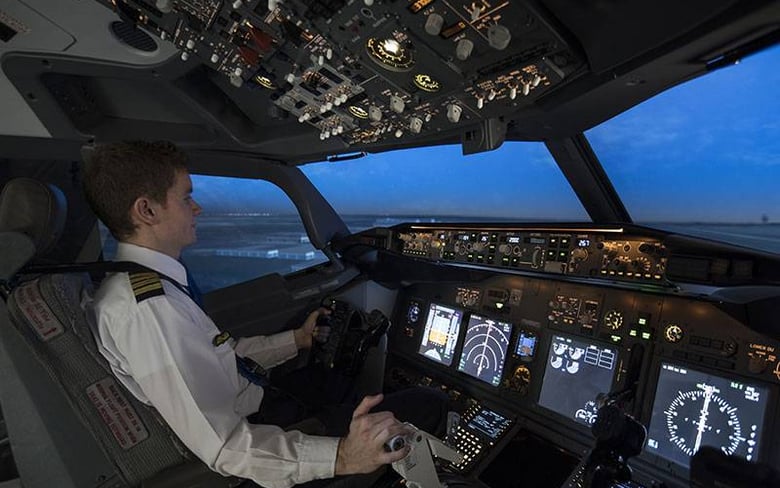
Pilot Flying
Flies the trajectory, manages the controls and the aircraft's energy.
Pilot Monitoring
Monitors the parameters, handles the radio and checklists, and supports the conduct of the flight.
What you learn
- Crew teamwork
- Task sharing
- Cockpit communication
- Multi-pilot procedures
- Coordination Pilot Flying / Pilot Monitoring
- Workload management
- Collective decision-making
- Standardisation
You no longer fly alone. You learn to make a crew work.
The Boeing 737 simulator is not a real aircraft and the APS MCC is not a type rating. The APS MCC is carried out in a simulation centre in Dublin or Berlin depending on the training programme.
What each aircraft brings to the training


Resources deployed to support your progress
24aircraft dedicated to training
- 5
- simulators used throughout the course
- Garmin G1000
- from the first flight hours
- Paired training
- learn by flying, but also by observing
The fleet composition may change according to operational and training needs.