
Behind every pilot,
a whole team.
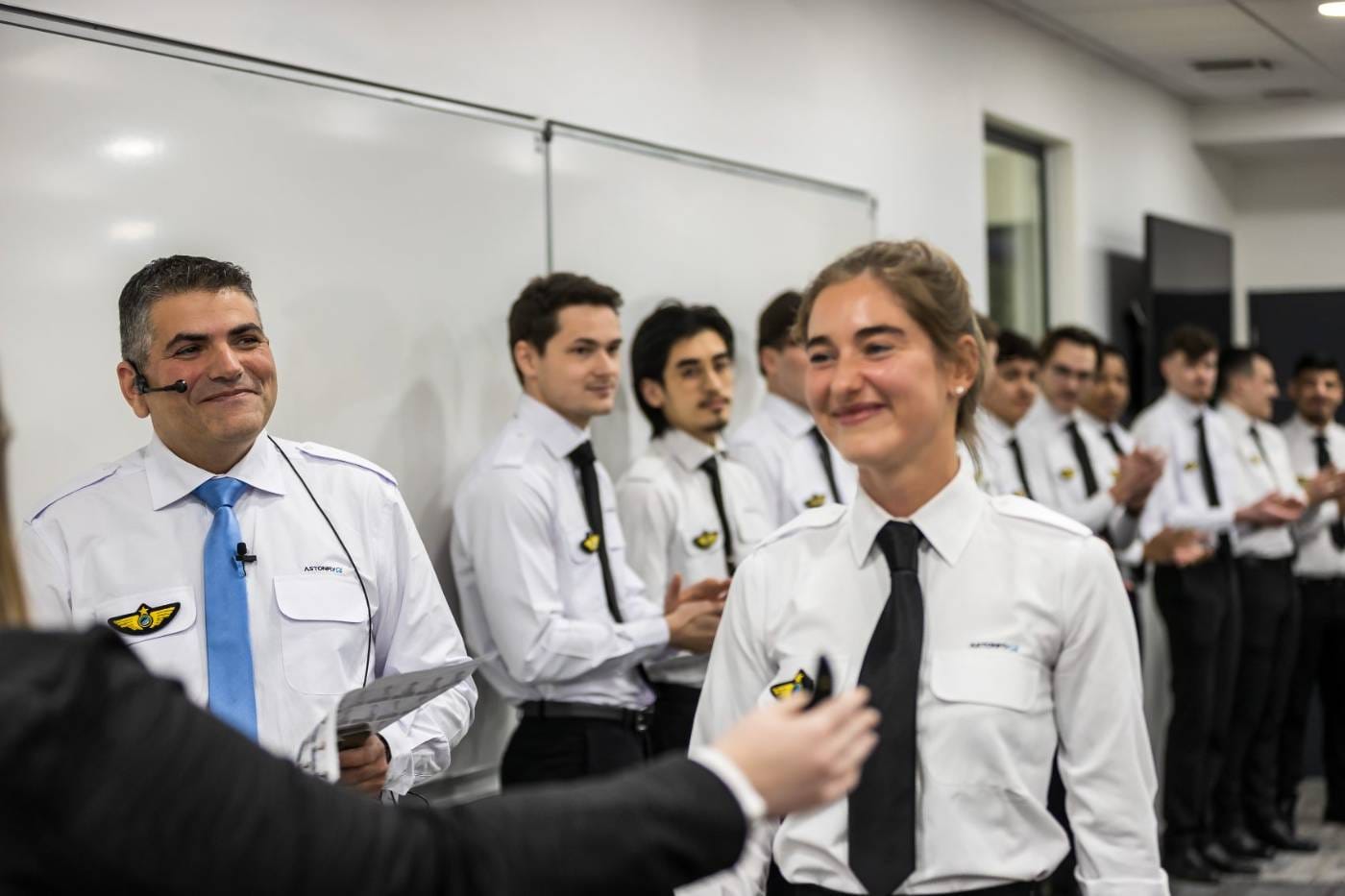
Your training draws on instructors, teaching teams and specialists who work together towards one goal: helping you progress in a demanding, structured and human environment.
Understand who does what.
Each department works in a specific area. Together, they ensure the continuity of your training and help you know who to turn to at each stage.


Turning an ambition into a concrete project
The Admissions team supports you before you start training: presenting the programmes, answering your questions, handling the admission steps and finalising your enrolment.
Welcoming you and pointing you the right way
The front desk is your first point of contact on campus. It answers everyday questions and directs you to the right person.
Following your progress
The Teaching team supports each student throughout their training, tracks their results and coordinates whatever is needed with the other teams.
Building your knowledge
Ground Training brings together the TKIs, who deliver the theoretical teaching and prepare students for the ATPL examinations.
TKI — Theoretical Knowledge Instructor
Training you in the air, from first take-off to autonomy
Flight Training brings together the flight instructors who guide students from their first hours to the advanced ratings.
Organising your progress
Planning coordinates the lessons, the flights, the simulators, the examinations and everyone's availability to keep your training moving.
Preparing your entry into an airline
The Airline Partnerships team develops Astonfly's relationships with the airlines and prepares students for their recruitment processes: applications, tests and selection interviews.
Supporting you all the way to your first job
The Careers department supports students for the 12 months following their training: building the pilot CV, preparing for airline selections and interviews, and following up applications.
Guaranteeing a safe, regulated environment
The team makes sure regulatory requirements are met, operations stay safe and training keeps improving.
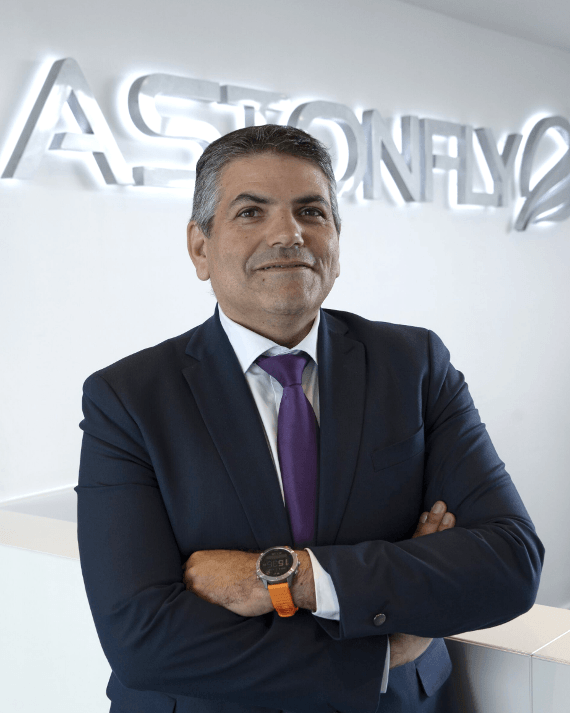
Saïd Hadid
Managing Director of Astonfly
Excellence driven by Saïd Hadid.
Senior management implements the school’s strategy and coordinates the teaching, operations and technical divisions. Its role is to bring together those who teach, those who organise the flights and those who prepare the aircraft, so that every student progresses within a coherent framework.
Meet the managers who coordinate your training.
Each division is led by a manager who coordinates their teams and ensures the quality of the support offered to students.

Nadia Yalaoui
Front Desk Manager
Front desk
The first face of Astonfly, always ready to listen.

Olivier Chirpaz
Head of Training
Teaching
Building your progression and keeping track of it.

Laurent Carpi
Deputy Head of Training
Teaching
Supporting you day to day as you progress.

Etienne Peltier
Chief Theoretical Knowledge Instructor
Ground Training
Preparing you for the ATPL theory examinations.

Saïd Hadid
Chief Flight Instructor
Flight Training
Overseeing your flight training and its standards.

Alexandre Berland
Admissions Manager
Admissions
Presenting the programmes and building your project with you.

Guillaume Fournié
Safety & Compliance Manager
Safety & Compliance
Embedding the safety culture from your very first hours.

William Far
Planning Manager
Planning
Organising your flight and simulator sessions.


Your progress doesn’t stop at the door of one department.
The teams share the information needed to follow your journey as a whole. This coordination helps anticipate the next steps, identify difficulties and adapt the support when necessary.
Observe
Tracking your results, your flights and your instructors’ feedback.
Communicate
Sharing useful information between Teaching, the instructors and the support teams.
Act
Adjusting the organisation and support when the situation calls for it.
Information shared at the right moment can make all the difference in a training journey.
The quality of your training is also built behind the scenes.
Safety, compliance, instructor standardisation and continuous improvement: some teams are less visible day to day, but they guarantee the reliability of the environment in which you learn.
Operational safety
Preventing risks and maintaining a high level of safety on every flight.
Regulatory compliance
Ensuring the requirements applicable to pilot training are met.
Standardisation
Ensuring consistent methods and criteria across all instructors.
Continuous improvement
Analysing feedback and evolving training practices.
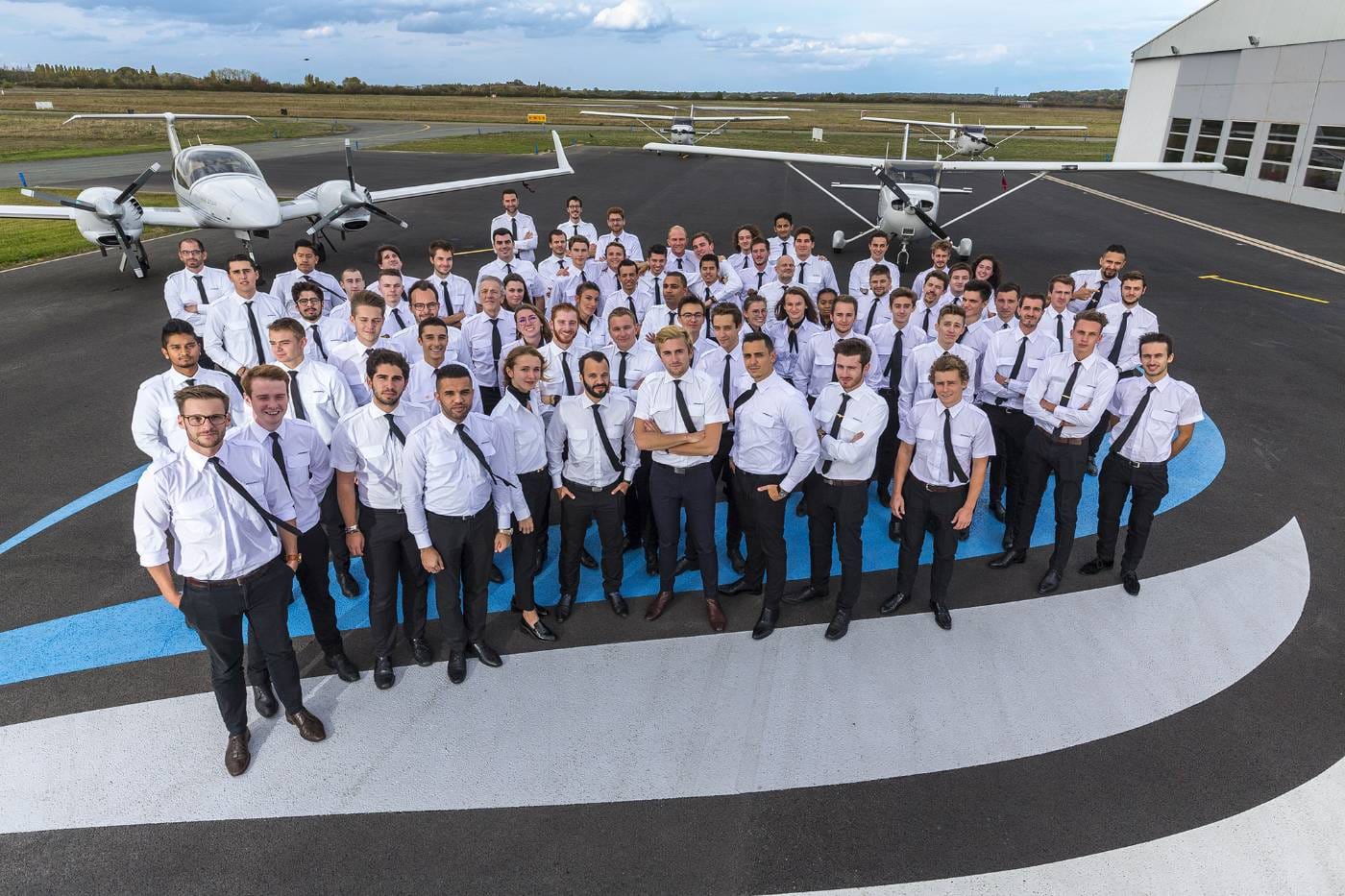
The aircraft matter.
So do the people who support you.
Come and discover the campus, meet our teams and talk with the people who will support your project.