
Admissions

All airline pilot schools make similar promises. The differences lie in the contract details, the teaching organisation and what happens once training is over.
Here are the points we recommend checking, whatever school you’re considering.
An ATO holds an approval issued by the civil aviation authority, within the European framework. Qualiopi certification also attests to the quality of the training process.
These documents are public: ask for them and read their exact scope, particularly the programmes covered.
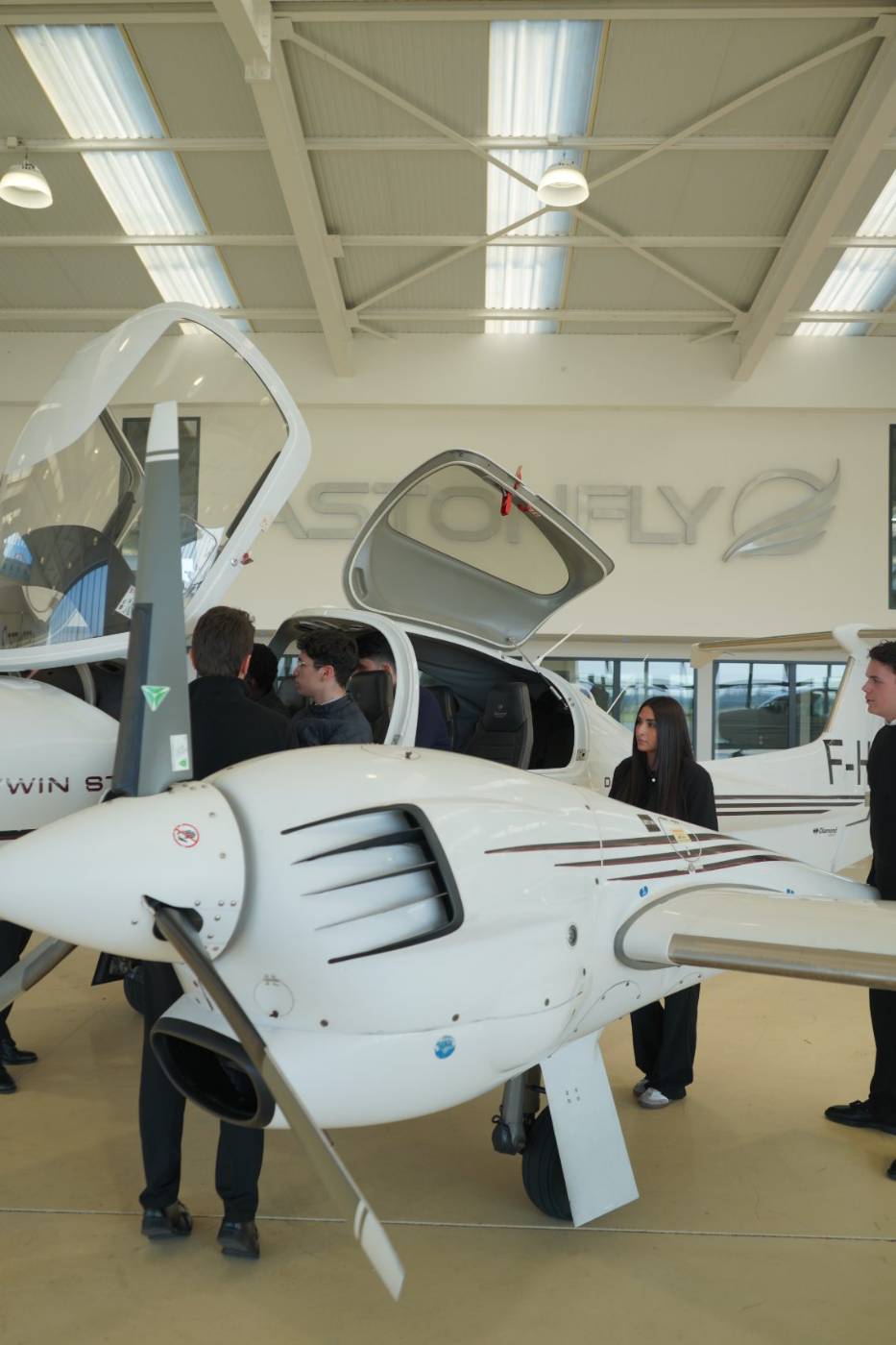
The number of aircraft matters less than how well they fit the training stages and their availability. At Astonfly, 24 aircraft and 5 simulators cover single-engine, multi-engine, procedural training, UPRT and the multi-pilot environment.
Ask the school about technical upkeep, available slots and how weather disruptions are handled.
Payment instalments, theory refund conditions, return of unused flight hours, consequences of an interruption: these clauses are worth comparing line by line between schools.
No school can guarantee a job. A serious school says so clearly.
Recruitment doesn’t stop at getting the licence. Career coach, interview preparation, access to a recruitment portal, relationships with airlines: these matter when it’s time to apply.
Astonfly has trained more than 2,000 pilots, welcomes over 150 a year, and works with more than 50 airlines.

Discover the training that suits you and talk to our admissions team.